
Growing Together: Embracing Sustainable Agriculture
The Future of Farming: Innovations for Success
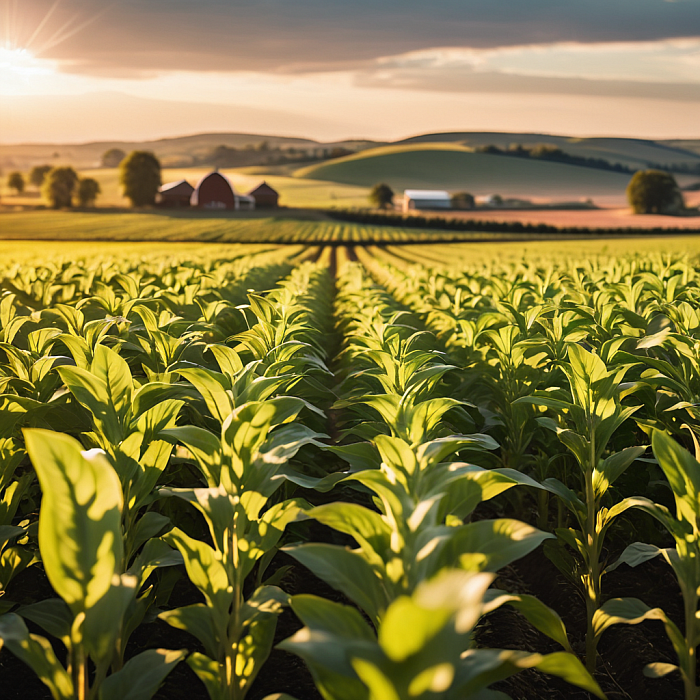
A view of an agricultural field
The Agrarian Revolution and Sustainable Technologies in Modern Agriculture
The ongoing Agrarian Revolution marks a profound transformation in global farming practices, driven by the imperative to enhance efficiency, sustainability, and resilience within agricultural systems. This revolution reshapes food production, processing, and distribution by integrating science, technology, and innovation into traditional methods to achieve sustainable productivity, reduce costs, and improve both output quality and quantity.
Technological Innovations Driving Modern Agriculture
Modern agriculture increasingly relies on cutting-edge technologies that optimize operations, minimize resource waste, and provide actionable insights for decision-making. Key innovations include:
- Internet of Things (IoT) in Agriculture: Devices such as soil moisture sensors, weather stations, and automated irrigation systems deliver real-time data, enabling precise crop and livestock management. These tools reduce water and fertilizer waste, optimize growth, and predict pest or disease outbreaks.
- Artificial Intelligence (AI) and Machine Learning (ML): Algorithms analyze extensive datasets—covering soil health, crop performance, weather, and market trends—allowing predictive, data-driven decisions like yield forecasting, precision planting, pest identification, and supply chain optimization.
- Agri-Genetics and Biotechnology: Advances in genetics facilitate development of high-yield, climate-resilient, and pest-resistant crop varieties through selective breeding, gene editing (e.g., CRISPR), and seed modification, helping farmers adapt to environmental challenges sustainably.
- Agricultural Management Software: Integrated platforms streamline farm operations, inventory tracking, labor management, and financial analysis, enhancing resource allocation, cost control, and long-term planning for diverse farm scales.
- E-commerce and Digital Market Platforms: Digital marketplaces enable farmers to sell directly to consumers or businesses, bypassing intermediaries, improving profitability, and providing real-time market data to inform production decisions.
- Emerging Innovations: Technologies such as drone-based crop monitoring, automated harvesting machinery, vertical farming, hydroponics, and controlled-environment agriculture contribute to sustainable productivity by reducing labor intensity and maximizing output quality and consistency.
Challenges Facing Modern Agriculture
Despite technological progress, agriculture confronts significant global challenges:
- Climate Change: Variability and extreme weather events (droughts, floods, unseasonal rainfall) threaten crop and livestock yields, increase pest and disease risks, and may force abandonment of farming in vulnerable regions, jeopardizing food security.
- Population Growth and Rising Demand: With the global population projected to exceed 9 billion by 2050, food, fiber, and energy crop demands intensify, necessitating expanded production, improved efficiency, reduced post-harvest losses, and optimized supply chains.
- Declining Farmer Participation: Fewer young people entering farming leads to labor shortages, knowledge gaps, and diminished investment in sustainable practices, risking long-term food security and increasing dependence on imports or processed foods.
The Case for Sustainable Agricultural Practices
International organizations, including the United Nations Food and Agriculture Organization (FAO), advocate sustainable agriculture to:
- Enhance resource efficiency (water, soil, energy)
- Improve food quality and safety
- Reduce environmental impacts and greenhouse gas emissions
- Preserve biodiversity and ecosystem services
- Support rural livelihoods and economic stability
By integrating advanced technologies with sustainable methods, agriculture can achieve climate resilience, productivity growth, and ecological balance, ensuring a reliable and secure food supply for current and future generations.
Conclusion
The Agrarian Revolution signifies a pivotal shift in humanity’s interaction with natural resources for food production. Through innovative technologies, sustainable farming, and data-driven decision-making, modern agriculture can address climate change and population growth challenges. Prioritizing efficiency, environmental stewardship, and resilience enables the sector to meet rising global demands, reduce vulnerabilities, and enhance farmer satisfaction and livelihoods—ushering in a new era of sustainable productivity.
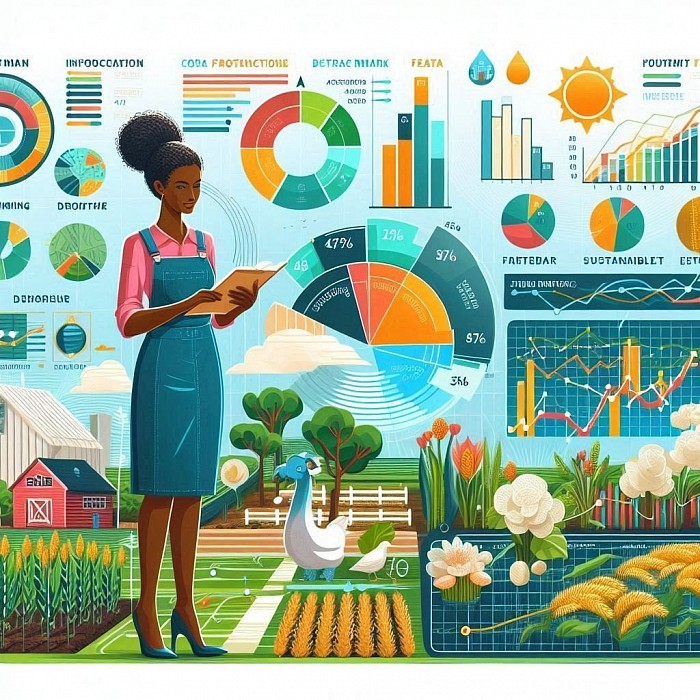
Image showing various agricultural insights
Key Insights and Updates for Today's Farmers
Empowering Farmers with Timely Agricultural Information
In today’s rapidly evolving agricultural landscape, access to accurate, timely, and relevant information is essential for the success, resilience, and sustainability of farming enterprises. Farmers actively seek the latest updates to transform their practices, respond effectively to emerging challenges, and harness new opportunities. Reliable data empowers them to anticipate trends, optimize production systems, reduce risks, and improve economic outcomes.
Key Domains of Agricultural Information
Agricultural information is broadly categorized into the following essential domains, each critical for informed decision-making:
- Weather: Understanding climate patterns and forecasts to plan farming activities.
- Technology: Innovations and tools that enhance efficiency and productivity.
- Finance: Access to credit, subsidies, and market financial trends.
- Government: Policies, regulations, and support programs affecting agriculture.
- Society: Social dynamics influencing labor, consumption, and community engagement.
- Economy & Business: Market trends, pricing, and economic indicators.
- Environment: Ecological factors, conservation efforts, and sustainability guidelines.
- Health: Food safety, nutrition, and occupational health concerns.
These updates are delivered through diverse formats such as articles, blogs, infographics, data dashboards, and increasingly, audio podcasts, forming a comprehensive knowledge ecosystem that strengthens farmers' decision-making capabilities.
1. Weather: The Cornerstone of Agricultural Planning
Weather is the most influential external factor affecting agriculture. Farmers rely on weather insights to guide every stage of production, from crop selection and planting to irrigation, pest control, and harvesting.
Key Weather-Related Information Farmers Need:
- Climate Change Trends: Long-term shifts in rainfall, temperature, and extreme weather events.
- Short & Medium-Term Forecasts: Daily to seasonal predictions for operational planning.
- Weather Alerts: Storm warnings, frost alerts, heatwaves, and drought notifications.
- Global Climatic Events: Impacts of El Niño, La Niña, monsoon variability, and wind pattern changes.
Why This Matters: Accurate weather information helps farmers prevent crop loss, manage water resources, optimize fertilizer and pesticide application, improve planting and harvesting schedules, and reduce climate-related risks.
2. Technology: Driving the Evolution From Traditional to Smart Agriculture
Technological advancement is a transformative force in modern farming. Farmers increasingly invest in tools that enhance efficiency, reduce labor, conserve resources, and improve yields.
Key Technological Updates Include:
- Precision Agriculture Technologies: Drones, sensors, automated planters, and soil scanners.
- Mobile Farming Apps: Weather analytics, record keeping, and crop monitoring.
- Biotechnology: Improved seeds, drought-resistant varieties, and genetic innovations.
- AI and Machine Learning: Predictive analytics for pests, diseases, and market prices.
- Greenhouse and Hydroponics Technologies.
EnvirosAgro plays a pivotal role by evaluating, interpreting, and sharing only safe, practical, and field-tested technologies to ensure sustainable adoption.
3. Finance: Strengthening Farmers’ Economic Resilience
Financial intelligence is crucial for agricultural planning and sustainability. Farmers need real-time information to navigate fluctuating markets, access credit, manage debt, and invest wisely.
Important Financial Updates:
- Availability of agricultural loans and credit facilities.
- Interest rate changes.
- Insurance products such as crop and livestock insurance.
- Savings opportunities and investment platforms.
- Subsidy programs and financial incentives.
With this knowledge, farmers can manage risks, expand production, improve profitability, and avoid financial shocks.
4. Government: Policies That Shape Agricultural Practice
Government policies directly and indirectly impact farming operations. Staying informed ensures compliance, access to incentives, and the ability to adapt quickly to regulatory changes.
Key Government-Related Information Includes:
- New agricultural policies.
- Subsidy schemes and grants.
- Food safety and quality standards.
- Import/export regulations.
- Land and water use laws.
- Political developments affecting agriculture.
Farmers who understand and align with government directions can better secure support and avoid legal risks.
5. Society: Social Dynamics That Influence Farming
Agriculture is embedded within social contexts. Changes in societal norms influence consumption patterns, labor availability, community engagement, and market demand.
Social Factors Affecting Agriculture:
- Shifts in cultural practices and food preferences.
- Language or communication diversity.
- Ethical considerations.
- Gender roles and youth involvement.
- Religion and traditional beliefs.
- Community support networks.
Awareness of these social dynamics improves farmers' ability to cooperate, market their products, and contribute positively to community development.
6. Economy and Business: Navigating the Market Environment
Agriculture operates within broader economic systems. Farmers must understand economic trends to make strategic business decisions.
Key Economic Indicators for Farmers:
- Inflation and interest rates.
- Currency exchange rates.
- GDP performance.
- Import/export trends.
- Global commodity prices.
- Market demand and supply trends.
Such updates help farmers anticipate price movements, identify profitable crops, and enhance marketing strategies.
7. Environment: Balancing Production with Ecological Health
The environment and agriculture are interconnected. As environmental conditions change, agricultural practices must adapt for long-term sustainability.
Critical Environmental Updates:
- Carbon emission regulations.
- Deforestation policies.
- Soil degradation and land use reports.
- Water conservation guidelines.
- Ecosystem restoration programs.
- Biodiversity conservation requirements.
For example, carbon reduction policies encourage farmers to adopt agroforestry, which improves soil fertility, sequesters carbon, and enhances microclimates.
8. Health: The Intersection of Agriculture and Human Well-being
Agriculture directly affects human health through nutrition, food safety, and disease control.
Health Updates Important to Farmers:
- Food security reports.
- Zoonotic disease alerts.
- Occupational health guidelines.
- Nutrition and diet trends.
- Access to medicines and health services.
Healthy farmers produce healthy food, contributing to healthier communities.
Empowering Farmers Through Agricultural Learning
Despite its importance, agricultural education has often been overlooked. Research shows that knowledge and training significantly improve production, reduce risks, and promote innovation. Lack of education contributes to low yields, land degradation, and inefficiency.
Modernagric focuses on the following learning themes:
- Crop and Livestock Production: Land preparation, crop propagation, irrigation, animal husbandry, feeding systems, disease management, and harvesting technologies.
- Agricultural and Chemical Engineering: Soil chemistry, fertilizer science, organic and inorganic pesticide development, machinery design and maintenance, irrigation and water engineering, post-harvest handling technologies.
- Agri Genetics: Seed selection and breeding, genetic modification, grafting and propagation techniques, livestock genetics, sustainable biotechnology applications.
- Agricultural Sustainability: Permaculture, conservation agriculture, circular farming systems, bioagriculture, socio-economic and health-based sustainability, climate-smart agriculture.
- Farm Economics, Costing, and Business: Cost-benefit analysis, resource management, supply chain dynamics, agribusiness models, market analysis, budgeting, and financial planning.
- Health and Safety: Occupational hazards, safe use of agricultural chemicals, food safety standards, organic alternatives, handling of agricultural pharmaceuticals.
- Social and Community Development Networks: Communication and collaboration skills to build strong community networks and cooperatives.
- Application of Technology and Information: Smart farming, data analytics, traceability systems, record keeping, agricultural data applications (ADA).
- Agricultural Science and Art: Science includes soil science, genetics, botany, biotechnology, nutrition, breeding, physiology, microbiology, meteorology, and food science. Art encompasses engineering, technological application, land preparation, irrigation design, crop management, post-harvest handling, and practical farm operations.

Bee collecting nectar and pollen from a flower.
"What is Agriculture?" By EnvirosAgro
Agriculture is fundamentally the application of both art and science by humans to natural resources—plants, animals, soil, water, and air—for the purpose of sustaining life.
It encompasses a deliberate and informed interaction with the natural world, drawing from ecological principles, biological processes, and centuries of human innovation. At its core, agriculture is shaped by a dynamic interplay between natural ecosystems and human ingenuity.
Agriculture as a Reflection of Natural Systems
One of the most compelling illustrations of this relationship is observed in the role of bees in crop production. Bees, acting as natural pollinators, gather nectar and pollen from flowers. While fulfilling their nutritional requirements, they unintentionally facilitate pollination—a biological process central to fruit and seed development. This reciprocal exchange exemplifies nature’s intrinsic efficiency: bees depend on plants for sustenance, and plants depend on bees for reproduction.
Many farmers integrate this natural system into their operations through apiculture (the management of bee colonies for honey and pollination services) and pomology (the cultivation of fruit-bearing plants). These practices imitate and enhance natural ecological processes, demonstrating how agricultural production often mirrors nature’s inherent design.
The bee–plant relationship also demonstrates the biodiversity that underpins ecological stability. The coexistence of honey production, fruit development, pollinator activity, and plant growth reflects a highly interdependent and diverse natural environment. Such biodiversity is indispensable for resilient agricultural systems.
Agriculture as Both Art and Science
Agriculture embodies scientific principles—genetics, soil chemistry, plant physiology, ecology, animal nutrition—while simultaneously requiring creative, intuitive, and artistic skills.
For instance:
- The science lies in understanding fruit fertilization, pollination dynamics, plant metabolism, soil nutrient cycles, and animal reproductive physiology.
- The art emerges in practical decision-making such as designing beehive structures, organizing orchards, crafting irrigation layouts, or managing livestock behavior.
This duality is essential. Successful agricultural practice relies equally on empirical knowledge and the farmer’s experiential judgment, creativity, and ability to adapt to changing environmental conditions.
EnvirosAgro defines this integration as the intentional application of advanced art and science to natural resources to achieve sustainability, and positions modern agriculture as a continually evolving discipline that learns from, imitates, and enhances natural systems.
Understanding Nature Before Replicating It
The bee case study powerfully reinforces a central principle:
To improve agricultural systems, we must first understand natural systems.
Nature is inherently organized, efficient, and cyclical. When humans attempt to replicate or modify natural processes without fully understanding them, the result is often reduced productivity or ecological imbalance.
EnvirosAgro emphasizes this perspective by advocating for:
- deeper ecological research,
- robust data analysis,
- biomimicry in agricultural technologies,
- and farmer education grounded in natural sciences.
Through this approach, farmers gain the knowledge needed to adopt practices that work with nature rather than against it, ensuring long-term productivity and environmental sustainability.
A Modern Interpretation of Malthusian Dynamics
Thomas Malthus, in his demographic theory, argued that agricultural productivity initially supports population growth. As food production increases, populations tend to expand until they reach environmental limits.
However, a contemporary paradox has emerged:
Despite unprecedented technological advancement in agriculture, food insecurity persists and, in many regions, continues to rise.
A simple analogy helps illustrate this:
Imagine a sow that gives birth to twelve piglets but is unable to provide sufficient milk for all of them.
The challenge is not merely reproduction—it is the capacity of the system to sustain the population it creates.
Today’s food insecurity is driven by multiple interconnected factors:
1. Ecological Decline
- Deforestation
- Soil degradation
- Loss of pollinators
- Biodiversity reduction
- Water scarcity
2. Climate Change
Human–induced carbon emissions have altered global climatic patterns, impacting rainfall, temperature, and the growing conditions required for stable food production.
3. Overdependence on Artificial Systems
Highly mechanized, chemically intensive, and monoculture-based farming systems provide short-term gains but:
- degrade soils
- reduce resilience
- disrupt natural ecological cycles
- and undermine long-term sustainability
This shift away from nature-driven systems to artificial practices widens the gap between humans and the environment—a gap that threatens the food security of future generations.
The EnvirosAgro Vision
EnvirosAgro is committed to restoring this balance by:
- grounding agricultural innovation in natural ecological principles,
- integrating scientific research with practical farming solutions,
- advancing sustainable production methods,
- and promoting farmer education based on both scientific knowledge and natural systems understanding.
The ultimate goal is a holistic, nature-aligned agricultural model capable of supporting current populations while safeguarding resources for future ones.

Understanding Sustainable Agriculture Practices
Agriculture is the application of art and science from natural studies by humans, towards natural resources such as animals, plants, soil,water and air for Sustainability.
Factors for Agricultural Sustainability
- Social Agriculture
- Environmental agriculture
- Health agriculture
- Technical agriculture
- Industrial Agriculture
These factors stand for EnvirosAgro five thrusts for sustainable agriculture.

Code of Agriculture
Introduction to the EnvirosAgro Sustainability Framework
Sustainability in agriculture embodies the deliberate integration of ecological knowledge, scientific innovation, and human stewardship to enhance the resilience, diversity, and long-term vitality of natural resources. The ultimate goal is to cultivate ecosystems where biodiversity thrives and environmental components coexist harmoniously. To guide agricultural stakeholders—including governments, cooperatives, agribusinesses, and farming communities—toward this vision, EnvirosAgro introduces the Five Thrusts for Sustainable Agriculture, providing a structured and measurable pathway for responsible stewardship and continuous improvement.
The EnvirosAgro Five Thrusts
This model organizes sustainability progression into five interconnected thrusts, each building upon the previous to address inefficiencies and promote advancement:
- Social Agriculture (SA): Focuses on human relationships, community engagement, participatory learning, and effective knowledge transfer among stakeholders to foster collaboration and shared growth.
- Environmental Agriculture (EA): Emphasizes conservation efforts, biodiversity preservation, soil regeneration, and sustainable water use to maintain ecological balance.
- Health Agriculture (HA): Addresses the well-being of crops, livestock, farmers, and consumers by managing pathogens, toxins, and environmental hazards to ensure safe and healthy production systems.
- Technical Agriculture (TA): Involves adopting tools, technology, data management, and precision farming techniques to optimize production efficiency and resource use.
- Industrial Agriculture (IA): Encompasses scalability, mechanization, value chain development, and post-harvest processing to enhance efficiency, market reach, and economic viability.
At the final stage—Industrial Agriculture—discrepancies are minimized, resulting in stable and sustainable agricultural outcomes that benefit all stakeholders.
Introducing the Sustainability Coefficient (C(a))
EnvirosAgro proposes the Sustainability Coefficient, a universal metric designed to quantify and standardize the sustainability level of any agricultural product, system, or ecosystem.
Key Principle: Agriculture is treated as a dependent variable, adapting within the immutable limits set by nature, which acts as the independent variable encompassing factors such as rainfall, soil moisture, biodiversity, and climate. This relationship is mathematically modeled to represent agricultural performance as a function of natural resource availability.
The Sustainability Equation
Define the following variables:
- Dn: Direct natural factors (e.g., effective rainfall, sunlight, natural soil fertility)
- In: Indirect natural factors (e.g., soil moisture retention, organic matter, stored resources)
- C(a): Sustainability coefficient
- S: Actual crop requirement (e.g., duration of moisture needed in days or months)
The sustainable time signature m is defined as:
m = √[((Dn × In) × C(a)) / S]
Interpretation:
- A higher m value indicates stronger sustainability and resilience, signifying a longer buffer against environmental shocks.
- A lower m value suggests increased pressure on natural resources and a higher risk of system failure.
Case Study: Kenya
Kenya experiences approximately 8 months of rainfall (Dn) and 4 months of dry season supported by soil moisture and irrigation (In), with crops requiring 12 months of moisture (S). Applying the formula:
C(a) = 12 / (8 × 4) = 0.375
This coefficient represents the minimum sustainability threshold necessary to support continuous agriculture despite seasonal constraints.
Mathematical Integration of the Five Thrusts
Let x denote the agricultural base factor, representing the maturity level of sustainability. Integrating each thrust yields:
- SA: SA = x + 1
- EA: EA = ∫SA dx = (x² / 2) + x
- HA: HA = ∫EA dx = (x³ / 6) + (x² / 2)
- TA: TA = ∫HA dx = (x⁴ / 24) + (x³ / 6)
- IA: IA = ∫TA dx = (x⁵ / 120) + (x⁴ / 24)
Therefore, the overall sustainability coefficient is expressed as:
C(a) = ∫IA dx = (x⁶ / 720) + (x⁵ / 120)
This formula illustrates exponential improvement in sustainability as agricultural maturity increases, highlighting the compounding benefits of advancing through each thrust.
Alternative Sustainability Coefficient (Geometric Progression)
If agricultural progress grows at a common ratio r, and n represents the number of agricultural dimensions, then:
c(a) = [x (rⁿ - 1)] / (r - 1) + 1, for r ≠ 1
For stagnant systems where r = 1:
c(a) = n × x + 1
This alternative formulation is useful for modeling adoption rates, policy impacts, and technology scaling, providing flexibility in sustainability assessments.
Combined Sustainability Model
Using the geometric progression version of c(a), the sustainable time signature m becomes:
m = √[((Dn × In) × (x (rⁿ - 1) / (r - 1) + 1)) / S]
This unified sustainability framework applies to various domains including climate adaptation, irrigation system design, soil fertility programs, adoption of agricultural technologies, policy evaluation, and value chain development.
Real-Life Examples
For Kenya’s conditions:
- Low Sustainability (x = 2): C(a) ≈ 0.356, m ≈ 1.089
- High Sustainability (x = 4): C(a) ≈ 14.222, m ≈ 9.737
Enhanced agricultural practices lead to higher C(a), resulting in greater resilience and a higher m, indicative of sustainable production capacity and stability.
Key Takeaways
- Nature establishes the boundaries; agriculture must adapt within these limits to ensure sustainability.
- Sustainability can be quantitatively assessed using the coefficients C(a) and m, enabling objective evaluation.
- The Five Thrusts provide a structured progression from foundational to advanced agricultural practices, fostering continuous improvement.
- This model serves a broad audience including farmers, cooperatives, NGOs, governments, and agribusinesses, facilitating informed decision-making.
- Greater investments in knowledge, practices, and technology yield exponentially higher sustainability returns, emphasizing the value of innovation.
Developing a Time Series Model for Agricultural Sustainability
This model allows dynamic assessment of sustainability over time by incorporating variables such as rainfall variability and adoption growth.
- Define Variables for Kenya:
Dn = 8 months (rainfall period)
f = 0.5 (soil retains approximately 50% of rainfall during dry season, so In = 4 months)
k = 1 (for simplicity, n = In directly)
x = base agricultural factor:- Low sustainability: x = 2
- High sustainability: x = 4
r = growth/adoption ratio:
- Moderate adoption: r = 1.1 (10% annual growth)
S = total crop moisture requirement = 12 months
- Calculate n and I_n:
I_n = f × D_n = 0.5 × 8 = 4
n = k × I_n = 1 × 4 = 4 - Compute Geometric Sustainability Coefficient:
c(a) = [x (rⁿ - 1)] / (r - 1) + 1
Low Sustainability (x = 2): c(a) ≈ 10.282
High Sustainability (x = 4): c(a) ≈ 19.564 - Compute m (Sustainable Time Constant):
m = √[(f × D_n² × c(a)) / S] = √[(0.5 × 64 × c(a)) / 12] = √[2.6667 × c(a)]
Low Sustainability: m ≈ 5.24
High Sustainability: m ≈ 7.22 - Interpretation:
Higher x leads to higher c(a) and consequently higher m, indicating a longer sustainable production window and more resilient crops. The value m captures the combined effects of rainfall, soil moisture retention, adoption rates, and agricultural practices. While low sustainability may still function, high sustainability significantly enhances stability and reduces risks. - Extend Framework Over Multiple Seasons or Years:
Incorporate seasonality, sustainability coefficients, and adoption growth to model sustainability and crop performance dynamically.
Dynamic Variables and Equations
- t = time index (years or seasons)
- Dn(t) = Direct nature factors in year t (rainfall, sunlight)
- In(t) = Indirect nature factors in year t (soil moisture, irrigation)
- x(t) = Agricultural base factor at time t (reflecting practices and adoption)
- r = adoption growth rate per year
- S(t) = crop moisture requirement at time t
- c(a,t) = sustainability coefficient at time t
- m(t) = sustainable time constant at time t (Time Signature)
Assuming adoption grows geometrically:
x(t) = x₀ × r^(t-1)
The sustainability coefficient becomes:
c(a,t) = [x(t) × (rⁿ - 1)] / (r - 1) + 1
with n = k × I_n(t).
The sustainable time constant is:
m(t) = √[(D_n(t) × I_n(t) × c(a,t)) / S(t)]
Substituting I_n(t) = f × D_n(t):
m(t) = √[(f × D_n(t)² × c(a,t)) / S(t)]
This function reflects how sustainability evolves over time with changing rainfall, soil retention, and adoption of improved practices.
Modeling Seasonal Variability and Adoption
Rainfall can be modeled as an autoregressive process:
D_n(t) = α × D_n(t-1) + ε_t
where α is a persistence factor (0 ≤ α ≤ 1) and ε_t is a random shock representing rainfall variability.
Adoption updates as:
x(t) = x(t-1) × r
with r > 1 indicating growth, r = 1 steady state, and r < 1 regression.
Combined Time Series Model Steps
- Update D_n(t) via AR(1) or observed data.
- Calculate I_n(t) = f × D_n(t).
- Update adoption factor: x(t) = x(t-1) × r.
- Compute n(t) = k × I_n(t).
- Calculate sustainability coefficient: c(a,t) = [x(t) × (r^{n(t)} - 1)] / (r - 1) + 1.
- Determine sustainable time constant: m(t) = √[(f × D_n(t)² × c(a,t)) / S(t)].
This recursive framework models agricultural sustainability over multiple years or seasons, allowing for dynamic assessment and planning.
Optional Continuous-Time Approximation
The instantaneous rate of change in sustainability can be expressed as:
dm/dt = (1/2) × [f × D_n(t)² / S(t)] × [dc(a,t)/dt] × [1 / m(t)]
This differential equation can be solved numerically using ordinary differential equation solvers, enabling continuous modeling of sustainability dynamics.
Example: Kenya 5-Year Projection
Assumptions:
- D_n(0) = 8 months, f = 0.5
- S = 12 months, x(0) = 2, r = 1.1
- k = 1
| Year | D_n(t) | I_n(t) | x(t) | c(a,t) | m(t) |
|---|---|---|---|---|---|
| 1 | 8 | 4 | 2 | 10.28 | 5.24 |
| 2 | 8.2 | 4.1 | 2.2 | 11.5 | 5.47 |
| 3 | 7.8 | 3.9 | 2.42 | 12.9 | 5.44 |
| 4 | 8.1 | 4.05 | 2.66 | 14.4 | 5.83 |
| 5 | 7.9 | 3.95 | 2.92 | 16.0 | 6.28 |
Note: D_n(t) fluctuates due to seasonal variations. The value of m(t) increases as x(t) (adoption) grows, indicating improving sustainability over time and enhanced resilience in agricultural production.
Conclusion
The EnvirosAgro Sustainability Framework offers a robust, mathematically grounded approach to assessing and improving agricultural resilience. By combining ecological principles, progressive agricultural practices, and quantitative metrics, this system enables:
- Predictive planning
- Policy evaluation
- Climate adaptation
- Technology investment analysis
- Farmer advisory services
It provides a universal methodology for organizations seeking to transform agricultural systems into sustainable, self-reinforcing, and future-ready ecosystems.
Practical Applications of the EnvirosAgro Sustainability Framework: How It Works in Real-Life Scenarios & How It Promotes Agricultural Sustainability
The EnvirosAgro Sustainability Framework translates complex ecological and agricultural interactions into measurable, predictive, and actionable tools. It enables stakeholders to quantify sustainability, understand resource limitations, and make better decisions.
Below are real-world applications mapped to farmers, extension officers, NGOs, agribusinesses, policymakers, and researchers.
1. Real-Life Application in Farming Operations
A. Determining Planting Seasons and Crop Choices Using m (Sustainable Time Signature)
Farmers can use the Sustainable Time Constant m to determine:
- The length of time natural resources can support crop growth
- The best planting window
- Whether a crop will survive drought or stress
- Which crops fit local rainfall patterns
Example (Kenya):
- If m ≈ 5.0 for a region, short-duration crops like sorghum or beans fit well
- If m ≈ 7.0+, longer-duration crops such as maize or bananas become viable
- If m < 3, emergency interventions are needed (mulching, irrigation, drought-tolerant crops)
Result:
- Reduced crop failure
- Optimized cropping calendars
- Higher resilience to climate variability
2. Application in Soil & Water Management
A. Using Dn and In to Evaluate Water Security
Dn = rainfall
In = soil moisture retention and irrigation support
By calculating In = f × Dn, an extension officer can identify whether a community needs:
- Water harvesting structures
- Soil organic matter improvement
- Drip irrigation
- Mulching systems
- Terracing or conservation agriculture
Example:
If rainfall is 800 mm but soil retention is low (f = 0.2), moisture drops rapidly.
The framework would show a low m, signaling immediate action.
Result:
- Improved water-use efficiency
- Reduced irrigation costs
- Enhanced drought resilience
3. Application in Climate Adaptation Programs
Governments and NGOs can use the framework to:
- Map counties or regions based on m-scores
- Predict areas most vulnerable to drought
- Direct climate funds to regions with low C(a)
- Monitor the impact of climate-smart interventions
Practical Example:
Before distributing drought-tolerant seeds, an NGO first calculates community-level m values using rainfall history and soil retention.
Interventions are then tailored precisely:
- High m areas → support intensification
- Low m areas → focus on resilience-building
Result:
- Better allocation of climate adaptation funding
- Higher effectiveness of donor programs
4. Application in Technology Adoption & Training
The framework’s geometric model:
[
c(a)=\frac{x(r^n - 1)}{r - 1} + 1
]
allows organizations to calculate how fast sustainability improves as communities adopt:
- Irrigation technology
- Improved seeds
- Mechanization
- Soil health practices
- Precision agriculture
Real-Life Use:
A cooperative introduces drip irrigation
Estimating r = 1.1 (10% annual adoption growth)
x increases annually based on training uptake
Resulting c(a) gives the cooperative a quantitative measure of progress
Result:
- Data-driven extension services
- Predictive training and investment strategies
- Faster scaling of sustainable technologies
5. Application in Value Chain Planning
Industrial Agriculture (IA) in the model quantifies post-harvest improvements:
- Storage capacities
- Processing quality
- Mechanization efficiency
- Market stability
Companies can use C(a) to determine:
- Which regions are ready for contract farming
- Where to build cold storage
- Where value chains are most sustainable
- What investment yields the highest long-term benefit
Result:
- Reduced post-harvest losses
- Stable supply chains
- Improved farmer incomes
6. Application in Government Policy and Regulation
The framework becomes a tool for:
A. National food security modeling
The government can simulate how sustainability changes when:
- Fertilizer subsidies change
- Rainfall patterns shift
- Irrigation schemes are implemented
- Climate hazards intensify
B. County-level Sustainability Index
Each county receives:
- C(a) score
- m score
- Resource capacity score (Dn × In)
This becomes a national sustainability map.
Result:
- Evidence-based policies
- Early-warning systems
- National agricultural planning grounded in data
7. Application in Academic Research
Researchers can use the mathematical structure to study:
- Soil-water-plant dynamics
- Climate-crop interaction
- Adoption and diffusion of innovation
- Sustainability transitions
- Socio-ecological resilience patterns
They can also build time-series models based on:
[
m(t)=\sqrt{\frac{f D_{n}(t)^2 c(a,t)}{S}}
]
allowing investigation of crop performance across decades.
Result:
- A unified mathematical basis for sustainability research
- Stronger predictive models
- Comparable metrics across regions
8. How the Framework Promotes Sustainability in Agriculture
- Makes Sustainability Measurable: Instead of vague assessments, C(a) and m offer quantifiable thresholds, predictive indicators, and objective sustainability classification.
- Encourages Nature-Based Farming: By positioning nature as the independent variable, agriculture adapts to ecological limits—not the other way around.
- Supports Climate-Resilient Production: The model integrates natural capital, technology, and human systems, promoting soil regeneration, water conservation, and climate-smart agriculture.
- Promotes Systemic Thinking: The Five Thrusts guide farmers from basic social structures to environmental stewardship, health management, technology adoption, and industrial scaling, ensuring balance between productivity and ecological integrity.
- Enables Long-Term Planning: Time-series modeling helps predict future sustainability and plan interventions early.
- Strengthens Regional Food Security: By optimizing crop choices and intervention design, food systems become more stable and reliable.
- Reduces Environmental Pressure: Higher C(a) means less soil degradation, lower water stress, improved biodiversity, and fewer emissions.
- Enhances Farmer Profitability: Long-term sustainability reduces risk and improves financial stability.
Conclusion
The EnvirosAgro Sustainability Framework transforms sustainability from a theoretical concept into a practical toolkit. Through mathematical modeling, system integration, and staged agricultural development, it provides:
- A measurable sustainability index
- A predictive resilience score
- A structured pathway to improved agricultural maturity
- A universal model applicable to farms, counties, corporations, and governments
This framework can significantly contribute to food security, climate adaptation, economic empowerment, and ecological regeneration across the agricultural realm.
The Mind Behind Farming: Psychology's Role
The intersection of psychology and agriculture has profoundly shaped human history, influencing societal development, behavioral evolution, cultural identity, and modern agricultural systems. While agricultural transformation is often described through environmental and economic lenses, its psychological dimension—rooted in human cognition, motivation, perception, and social identity—has been equally pivotal. The convergence of these fields reveals both the strengths and vulnerabilities of human decision-making in relation to food systems.
Psychological Foundations of the Agricultural Revolution
The shift from hunter-gatherer subsistence to settled agriculture stands among the most consequential behavioral transitions in human history. This transformation was not purely ecological; it was driven by psychological mechanisms such as:
- Cognitive Planning and Future Orientation: Agriculture required humans to delay gratification (plant now, harvest later), anticipate seasons, strategize land use, and maintain long-term commitment. These behavioral traits reflect the development of executive function and forward-thinking cognition, which set humans apart from other species.
- Social Cooperation and Collective Behavior: Farming communities demanded shared labor, coordinated irrigation, joint harvest management, and conflict resolution mechanisms. Psychology explains how humans developed social cohesion, trust, and shared belief systems—elements necessary for agricultural societies to flourish.
- Identity Formation: Agriculture shifted human identity from nomadic to place-based. People began associating land with self, plants and animals with heritage, and farming practices with culture and spirituality. Thus, the agricultural revolution was fundamentally a psychological revolution.
The Modern Disconnect: Changing Perceptions and Stigmatization of Agriculture
Historically viewed as a prestigious and foundational occupation, agriculture today is burdened with misconceptions. A psychological and sociological shift has contributed to the perception of farming as labor-intensive, low-status, financially unrewarding, and incompatible with modern professional aspirations.
- The Devaluation of Agricultural Labor: Industrialization and the rise of white-collar professions have created a hierarchy of occupations where agricultural work is misclassified as “peasant work,” associated with hardship rather than skill, and overlooked in national development narratives. This psychological stigma discourages youth from entering the sector, weakening human capital pipelines.
- The Urban Bias: Urban lifestyles, media portrayals, and school curricula often detach people from the realities of food production. This creates an illusion that food simply “appears” in markets, minimizing the complexity and professionalism of farming.
- Cognitive Dissonance and Fair Compensation: Farmers are paid the least despite performing the most essential work. Consumers psychologically distance themselves from production realities, leading to undervaluation of food, exploitation within supply chains, and unsustainable pricing systems.
Genetic and Cultural Psychology in Agricultural Affinity
Human attraction to agricultural activities varies across individuals and communities. Some groups, such as many Bantu communities in Africa, have deep agricultural identities shaped over centuries.
- Cultural Conditioning: Agricultural identity is reinforced through generational knowledge transfer, rituals, land inheritance, and spiritual beliefs tied to crops and livestock.
- Possible Genetic Predispositions: Emerging behavioral genetics suggests that temperament, risk tolerance, environmental preference, and patience levels may influence whether individuals gravitate toward agricultural professions. These traits have partially hereditary components and may help explain long-standing cultural agricultural specializations.
- Psychological Diversity of Human Talents: Not everyone is suited for agriculture. Some excel in technical fields, business, governance, or creative work. Human societies function best when this diversity is recognized rather than suppressed. The attempt to homogenize aspirations leads to psychological stress and social imbalance.
Technology Resistance and the Modern Agricultural Crisis
Despite global population growth and increasing food insecurity, agricultural labor continues to decline. Psychological barriers play a significant role.
- Fear of Technological Replacement: Technological innovations—mechanization, automation, digital agriculture—are often resisted due to beliefs that machines “kill jobs” and technology erodes traditional practices. Yet globally, human resources for agriculture are diminishing, making technology essential—not optional.
- Decline in Agricultural Curiosity: In earlier generations, children engaged in farming activities. Today, digital entertainment and urban migration have reduced exposure to nature. Curiosity, which fuels agricultural passion, is no longer cultivated.
- Career Identity Crisis: Young people pursue overcrowded fields like business administration or IT, ignoring abundant opportunities in agribusiness. This mismatch produces unemployment, underutilized agricultural potential, and widening rural–urban disparities.
Farmer Exploitation and the Psychological Feedback Loop
The perception of farmers as unkempt, poor, or uneducated fuels a dangerous feedback loop: low social prestige leads to fewer entrants, causing more labor shortages and increased exploitation. Psychology helps explain why societies systematically undervalue the very individuals feeding them. To build sustainable food systems, we must transform cultural narratives around farming.
Plant Wave Technology: A New Frontier in Agricultural Psychology and Bio-Communication
Plant wave technology bridges neuroscience, electrophysiology, music, and agriculture, revealing the hidden emotional and biological rhythms of plants.
How the Technology Works
- Electrical Signal Detection: Sensors capture micro-variations in plant bioelectrical activity, often correlated with photosynthesis, hydration, or environmental stimuli.
- Wave Pattern Mapping: These signals are graphed as dynamic waveforms representing the plant’s physiological state.
- Musical Sonification: Algorithms convert these waves into musical notes, creating unique plant-generated melodies.
- App Interpretation: Users can customize soundsets, track activity, and observe biological changes in real time.
Cultural and Historical Connections: Agikuyu “Mugumo” Tree Spirituality
The idea of plants communicating is deeply rooted in indigenous cultures. In the Agikuyu Kingdom, the sacred Mugumo tree was believed to express divine signs, communicate through natural movements, and influence community well-being. Plant wave technology reflects this ancient wisdom through modern science, illustrating that plants are not passive organisms but dynamic, responsive life forms.
Applications, Benefits, and Psychological Impacts
- Nature–Human Connection: The technology strengthens ecological awareness, emotional grounding, and bio-empathy.
- Mental Health and Therapeutic Use: Plant-generated music enhances meditation experiences, stress relief, and emotional balance. These effects align with theories in sound therapy and eco-psychology.
- Understanding Plant Behavior: Plants demonstrate measurable responses to stress, touch, changes in light, and water availability. This opens new avenues in precision agriculture, plant phenotyping, and environmental monitoring.
Conclusion: Redefining the Psychology of Agriculture
The psychological dimensions of agriculture—from historical identity to modern stigma—play a critical role in shaping global food systems. To ensure sustainability, the world must restore farmers’ dignity, integrate behavioral science into agricultural education, embrace technology as a solution to labor shortages, and reconnect people emotionally with nature. Plant wave technology symbolizes a new era—one in which human psychology, plant biology, and technological innovation converge to build a deeper, more respectful relationship with the natural world.

Farmers in the garden
Aesthetics of Agriculture
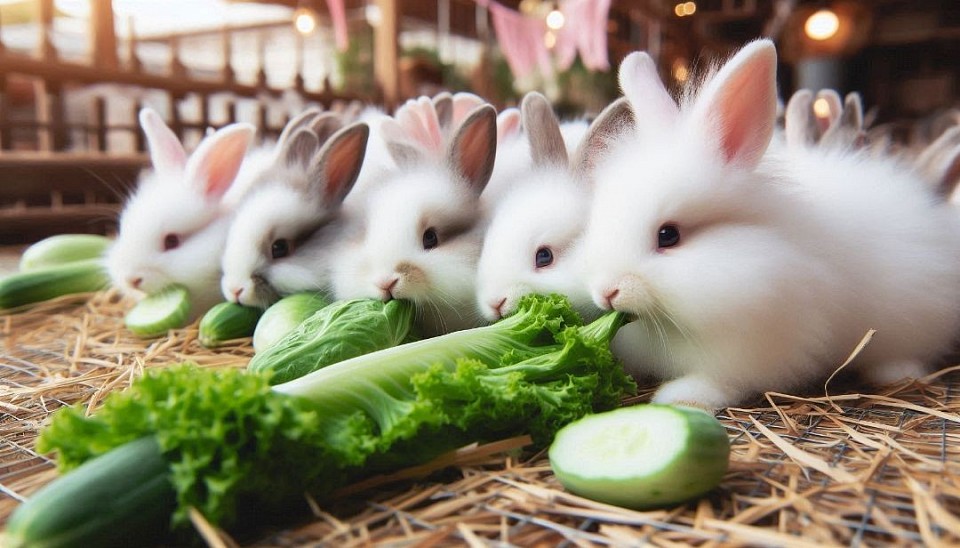
Rabbits enjoying their meal
Exploring the Aesthetic Dimensions of Agriculture
Agriculture transcends mere food production; it is a holistic practice that harmonizes natural elements with human creativity, enriching both the environment and the human spirit. As previously discussed by EnvirosAgro, agriculture is a blend of natural elements that sustains life while elevating the environment through beauty, structure, and meaning. This perspective reveals agriculture as an aesthetic discipline nurturing psychological well-being and emotional resonance.
1. Agriculture as an Artistic Practice
Agriculture embodies artistic elements such as form, color, texture, rhythm, and harmony. The geometric arrangement of fields, vibrant hues of flowers and foliage, tactile textures of leaves and soil, seasonal planting rhythms, and balanced ecosystems all contribute to a living canvas. Farmers and landscapers act as artists, shaping the land to express creativity, culture, and ecological intelligence, thus nourishing both body and spirit.
2. Sensory Engagement and Psychological Benefits
Agricultural activities stimulate multiple senses, generating profound psychological benefits supported by environmental psychology and biophilia theory.
- Visual Aesthetics: Neatly aligned crops, colorful flowerbeds, fruit-laden orchards, terraced landscapes, and shimmering water bodies create visual satisfaction, reduce stress, and enhance emotional stability.
- Auditory Stimulation: Natural soundscapes—rustling leaves, livestock calls, flowing irrigation water, bird songs, and wind—promote calmness and emotional balance. Emerging plant wave technology translates plant bioelectrical signals into music, deepening human–nature connection.
- Olfactory Pleasure: Scents of fresh soil, flowering plants, herbs, and rain-wet grass activate brain regions linked to mood and memory, contributing to therapeutic landscapes.
- Tactile Experiences: Touching soil, pruning leaves, or harvesting fruits grounds individuals, reducing anxiety and enhancing emotional regulation.
- Gustatory Delight: Tasting fresh fruits and vegetables provides immediate sensory satisfaction and strengthens appreciation for agricultural labor.
3. Emotional and Psychological Dimensions
Agriculture fosters emotional well-being through nostalgia, imagination, stress reduction, and a sense of purpose. Childhood experiences with animals or gardens create lasting bonds with nature, inspiring curiosity and empathy. Interaction with animals like piglets or rabbits lowers stress hormones and increases positive emotions, aligning with animal-assisted therapy principles. Agricultural activities offer achievement, mindfulness, and deeper meaning, transforming farming into a psychological and spiritual practice.
4. Agricultural Aesthetics in Practice: Landscaping and Agri-Tourism
Skilled landscapers integrate plant species, topography, water features, and cultural motifs to create aesthetically rich environments that serve as tourist attractions, therapeutic gardens, public parks, eco-cultural heritage sites, and educational spaces. Walking through orchards, tea plantations, or botanical gardens offers restorative sensory pleasure and psychological nourishment, enhancing public appreciation for farming’s beauty and significance.
5. The Aesthetic Power of Flowers
Flowers epitomize agricultural beauty, transcending their biological role to embody symbolic, cultural, and emotional significance. Their diverse shapes, vivid colors, symmetrical structures, and ephemeral nature symbolize renewal and hope. Flowers play central roles in celebrations, rituals, and healing traditions across cultures. Their fragrances uplift emotions, promote relaxation, and improve mental clarity. Through plant wave technology, flowers emit vibrational signals converted into soothing music, enhancing meditation and emotional harmony. Internal flowers promote calm and mindfulness indoors, while external flowers invigorate outdoor landscapes, together enriching human life across environments.
Conclusion
Agriculture is a deeply aesthetic discipline blending nature, art, science, and human emotion. Its rich sensory engagement—visual beauty, soothing sounds, tactile satisfaction, fragrant aromas, and nourishing tastes—enhances psychological well-being and inspires imagination. EnvirosAgro recognizes agriculture as a dynamic, aesthetically enriching human endeavor that deepens our connection to the environment and elevates our understanding of farming as a vital, holistic, and artistically expressive part of human existence.
Healthy Digest

Neem plant
Healthy Digest: The Importance of Kitchen Gardening in Urban Farming
Kitchen gardening—also known as home gardening—has emerged as a transformative and practical approach to sustainable urban agriculture. In an era marked by rising food prices, shrinking urban spaces, and increasing environmental concerns, kitchen gardens provide households with an accessible pathway to food security, health, and ecological sustainability.
1. What Is a Kitchen Garden?
A kitchen garden is a small, intentionally cultivated space near the home designed to produce vegetables, herbs, and fruits for household consumption. Contrary to the belief that farming requires extensive land, a kitchen garden can thrive within:
- Small backyards or front yards
- Balconies and verandas
- Rooftops
- Repurposed containers, sacks, buckets, and pots
- Vertical structures and hanging gardens
Urban residents can therefore maximize unused spaces and transform them into productive micro-farms.
2. Why Kitchen Gardening Matters in Urban Farming
2.1 Enhanced Household Food Security
A well-managed kitchen garden supplies families with nutritious, fresh, and chemical-free produce all year round. Vegetables such as kale, spinach, onions, tomatoes, coriander, and sweet peppers can be grown continuously, reducing dependency on unstable markets.
2.2 Significant Reduction in Food Expenditure
Growing vegetables at home directly lowers grocery bills. Even a small garden can supply a substantial portion of a household’s dietary needs. This is especially crucial in urban areas where the cost of fresh produce is high.
2.3 Organic, Healthy, and Chemical-Free Produce
Most kitchen gardens rely on homemade compost and organic pest control, meaning vegetables are free from synthetic pesticides and harmful residues. This promotes both environmental safety and long-term household health.
2.4 Closed-Loop Waste Management
Kitchen gardening encourages a natural recycling system where:
- Food scraps
- Vegetable peels
- Fruit waste
- Dry leaves
…are composted to create nutrient-rich manure for the garden. This reduces household waste while improving soil fertility.
2.5 Urban Biodiversity Enhancement
Home gardens introduce green spaces in concrete-dominated environments. They attract pollinators such as bees, butterflies, and beneficial insects, helping to restore ecological balance in cities.
2.6 Income Diversification
Surplus produce—such as leafy greens, herbs, or seedlings—can be sold to neighbors, local markets, or restaurants. This creates an additional revenue stream, especially beneficial during economic downturns.
2.7 Climate Action and Environmental Conservation
Kitchen gardens contribute to environmental sustainability by:
- Sequestering carbon
- Cooling urban microclimates
- Reducing plastic waste through container reuse
- Minimizing reliance on commercially transported produce
2.8 Improved Physical and Mental Health
Engaging with a kitchen garden encourages daily physical activity, reduces stress, and improves emotional well-being. A green home environment fosters tranquility and enhances quality of life.
3. How a Kitchen Garden Supports Sustainable Development
Kitchen gardening promotes multiple sustainability pillars:
| Sustainability Area | Contribution |
|---|---|
| Waste Management | Composting reduces landfill waste and improves soil structure. |
| Organic Farming | Minimizes chemical use, enhancing soil and crop health. |
| Biodiversity | Gardens attract pollinators and beneficial organisms. |
| Poverty Reduction | Lowers household expenses and provides income opportunities. |
| Climate Action | Reduces carbon footprint and enhances green cover. |
| Healthy Living | Ensures access to fresh, nutritious vegetables daily. |
4. Recipe Feature: Mashed Maize and Sweet Yellow/Purple Potatoes
A nutritious, energy-rich traditional meal ideal for households practicing sustainable home cooking.
Ingredients
- 1.5 cups of raw maize
- 500 grams of sweet yellow or purple potatoes
- Clean water (sufficient for boiling)
- Heat source such as a stove, charcoal jiko, or electric cooker
Procedure
- Prepare the Maize: Rinse thoroughly under running water. Remove any debris or discolored grains.
- Cook the Maize: Transfer maize to a large pot. Add 2 liters of fresh water and bring to a boil. Reduce heat and simmer 45 minutes to 1 hour until tender.
- Prepare the Sweet Potatoes: Peel and rinse the sweet potatoes. Cut into 1–2-inch chunks for even cooking.
- Cook the Sweet Potatoes: Place in a separate pot, cover with water, and boil. Simmer 20–30 minutes until fork-tender.
- Drain and Combine: Drain water from both ingredients. Let stand briefly to evaporate excess moisture.
- Mash to Desired Consistency: Combine maize and sweet potatoes. Mash together until smooth or slightly chunky.
Serving Suggestions
Serve hot with tomato stew, mixed vegetables, cheese sauce, or leafy greens. Complements proteins such as boiled eggs, beans, or grilled meat. This meal is rich in carbohydrates, fiber, and natural sugars—perfect for energy and balanced nutrition.
5. The Neem Plant: A Multifaceted Wonder in Health and Agriculture
Neem (Azadirachta indica) is one of the most valuable medicinal and agricultural plants globally due to its powerful biochemical properties.
5.1 Medicinal Benefits
Traditionally, neem has been used to treat:
- Skin infections
- Digestive disorders
- Fevers
- Inflammation
- Parasitic infections
Its natural compounds, especially azadirachtin, possess strong antibacterial, antiviral, anti-inflammatory, and antiparasitic properties.
5.2 Neem in Deworming and Traditional Medicine
Historically, powdered neem leaves and extracts have been employed in:
- Deworming remedies
- Immune-boosting tonics
- Antiseptic ointments
Its wide medicinal scope makes neem essential in holistic community health systems.
5.3 Neem as a Powerful Organic Pesticide
Neem extracts are widely used in sustainable agriculture.
Preparation of Neem Extract
- Collect 1 kg of neem leaves or seeds.
- Boil them in water until the extract concentrates.
- Dilute with 25 liters of clean water.
- Use as a foliar spray on crops.
Agronomic Benefits
- Controls pests such as aphids, whiteflies, caterpillars, and mites
- Interrupts pest reproductive cycles
- Boosts soil microbial activity
- Enhances crop vigor and resistance
- Reduces reliance on synthetic chemicals
Neem oil is also commonly used for:
- Seed treatment
- Post-harvest pest control
- Livestock disease management
- Skin-friendly cosmetics
5.4 Environmental and Sustainability Benefits
Neem-based agricultural products:
- Promote biodiversity by protecting beneficial insects
- Prevent chemical contamination of soil and water
- Support regenerative farming systems
- Are safe for humans, animals, and the environment
Many other plants—such as Mexican marigold, garlic, chili, basil, and pyrethrum—also possess natural pesticidal and medicinal properties, offering promising avenues for future research and application.
Conclusion
Kitchen gardening, sustainable waste management, traditional herbal knowledge, and the promotion of organic farming are interconnected practices that strengthen urban resilience. By cultivating home gardens, using compost, preparing natural pesticides like neem extract, and conserving biodiversity, individuals and communities move closer to achieving food security, environmental protection, and healthier lifestyles.
Your home garden is more than a source of vegetables—it is a cornerstone of sustainable living, a tool for climate action, and a pathway to improved well-being.

Silver desmodium

Devil's thorn whip
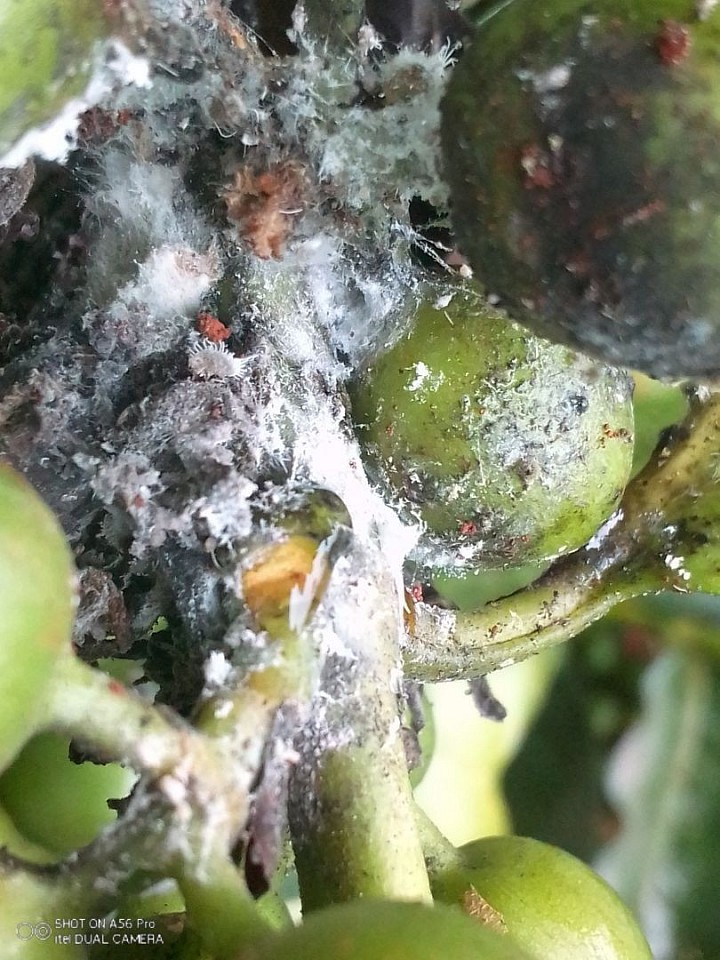
Coffee berries infected with mealybugs
Celebrating Biodiversity: Nature's Wonders
Understanding Biodiversity and Its Agricultural Significance
Biodiversity encompasses the vast variety of life on Earth, including genetic variation, species diversity, and ecosystem complexity. From microscopic organisms to large mammals, each component plays a vital role in maintaining ecological balance. Within this spectrum, the animal kingdom stands out for its behavioral diversity, evolutionary adaptations, and dynamic interactions with human societies.
Animals have profoundly influenced human development, scientific discovery, cultural expression, and agricultural innovation. Over centuries, humans have observed and integrated animal behaviors and biological traits into farming systems, forming the foundation of many sustainable agricultural practices.
Historical and Agricultural Significance of Animal Domestication
The dog is widely recognized as the earliest domesticated animal, marking a transformative milestone in human civilization. Initially valued for protection, hunting assistance, and companionship, dogs indirectly supported agricultural development by enhancing settlement security and food procurement.
Subsequently, domestication expanded to species such as cattle, goats, sheep, poultry, donkeys, and horses, greatly broadening agricultural capabilities. Animals provide labor (plowing, transport), nutritional products (milk, meat, eggs), by-products (manure, wool, hides), and ecological services (pollination, pest control, soil conditioning). This evolution illustrates how human-animal relationships have shaped farming in ways that mirror natural ecological systems.
Animals as Models of Ecological and Agricultural Harmony
Examining animal roles in agriculture reveals a direct link between biodiversity and sustainability. For example, the study of bees highlights how apiculture deliberately mimics natural pollination systems. Bee behavior, colony dynamics, and pollination mechanisms exemplify essential biodiversity services supporting agricultural landscapes.
Thus, biodiversity is not merely an ecological concept but a practical asset enhancing productivity, resilience, and ecosystem functioning in farming systems.
Functional Benefits of Animals in Agriculture
- Ecological Contributions: Pollination by bees and butterflies; natural pest control by birds, reptiles, and amphibians; soil aeration and nutrient cycling by worms and beetles; seed dispersal by birds and mammals.
- Production-Based Benefits: Provision of meat, milk, eggs; draught power; manure for fertilization; organic matter improving soil structure.
- Systems-Based Benefits: Opportunities for integrated farming; reduced reliance on synthetic chemicals; enhanced biodiversity and ecological stability.
These contributions demonstrate that farmers’ interactions with animals extend beyond livestock rearing, influencing overall agroecosystem health and long-term sustainability.
Case Study: Chameleons in Coffee Farming
Chameleons exemplify natural pest management in agriculture. Their biological traits make them valuable agents of cultural and ecological pest control, especially in coffee systems.
Key Benefits of Chameleon Integration:
- Reduction of harmful insects without pesticides
- Improved coffee quality through minimized pest damage
- Lower production costs by reducing chemical inputs
- Promotion of biodiversity within plantations
- Enhanced long-term tree health via ecological balance
Technological Integration for Maximized Impact
To preserve ecological integrity while incorporating beneficial animals, farmers can adopt technology-assisted approaches such as:
- Nature detection sensors integrated into harvesting tools
- Smart monitoring systems tracking species presence
- Biodiversity-mapping tools guiding eco-friendly farm management
These technologies help coffee pickers avoid harming chameleons and other beneficial fauna during harvesting, reducing ecological damage often linked to pesticide use and human disturbances. Such strategies reflect a shift toward precision biodiversity management, where farmers actively protect species supporting their production systems.
Role of Macro and Microorganisms in Agricultural Productivity
Macroorganisms: Worms and Soil Engineers
Farmers increasingly rear worms—earthworms and red worms—for animal feed production (protein-rich worm meal), organic fertilizer generation (vermicompost), soil structure enhancement, and improved nutrient availability. These organisms accelerate organic matter breakdown and enrich soils with biologically active compounds.
Microorganisms: The Invisible Workforce
The microscopic animal kingdom—including bacteria, protozoa, and nematodes—drives essential processes such as organic matter decomposition, nutrient mineralization, nitrogen fixation, and humus formation. Their contribution is indispensable to soil fertility yet often overlooked.
Threats to Microbial Activity
Excessive use of inorganic chemicals disrupts microbial community balance, decomposition cycles, and nutrient conversion processes, resulting in reduced soil fertility, diminished crop performance, and long-term ecological damage. Sustainable soil management requires minimizing harmful chemical inputs and promoting organic, microbiologically active amendments.
Integrating Poultry Farming with Coffee Production
Integrated agricultural systems harmonize diverse biological interactions; poultry-coffee integration exemplifies this model.
Benefits of Free-Range Poultry in Coffee Farms:
- Natural pest control targeting insects, larvae, and small pests
- Organic manure production enriching soil fertility
- Weed suppression through foraging behavior
- Improved soil structure via ground scratching
- Lower operational costs due to reduced fertilizer and pesticide use
- Enhanced biodiversity within the plantation ecosystem
Long-Term Systemic Advantages: Increased resilience against pests and diseases, improved nutrient cycling, balanced ecological conditions, and greater farm productivity and sustainability. This integrated system reflects a biologically symbiotic model aligning agricultural operations with natural ecological processes.
Conclusion
Animals—both visible and microscopic—are indispensable partners in agriculture. Their contributions span ecological restoration, nutrient cycling, natural pest regulation, and integrated production systems. By embracing biodiversity-driven strategies supported by modern technology and sound ecological understanding, agriculture can transition toward more resilient, sustainable, and productive systems.

A chameleon hunting for food
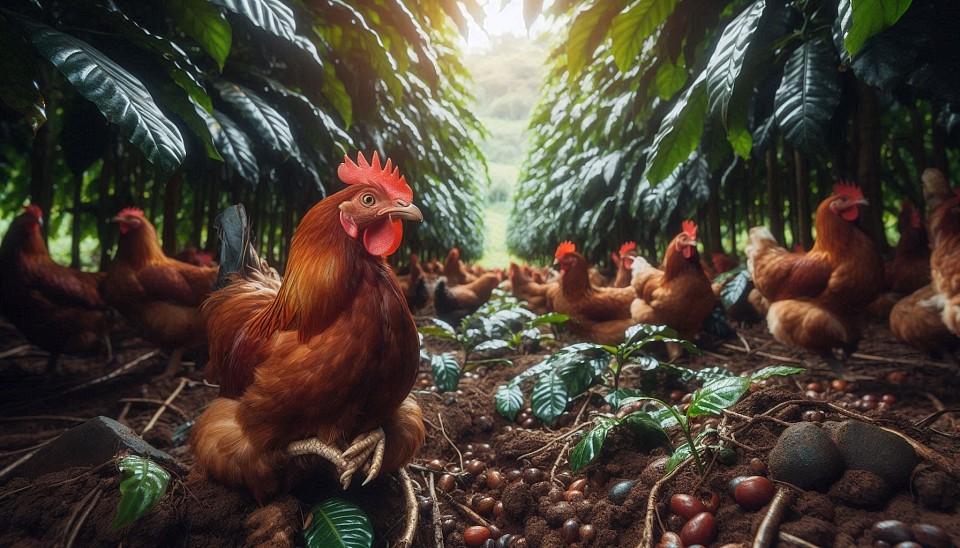
Free range poultry rearing under coffee crops
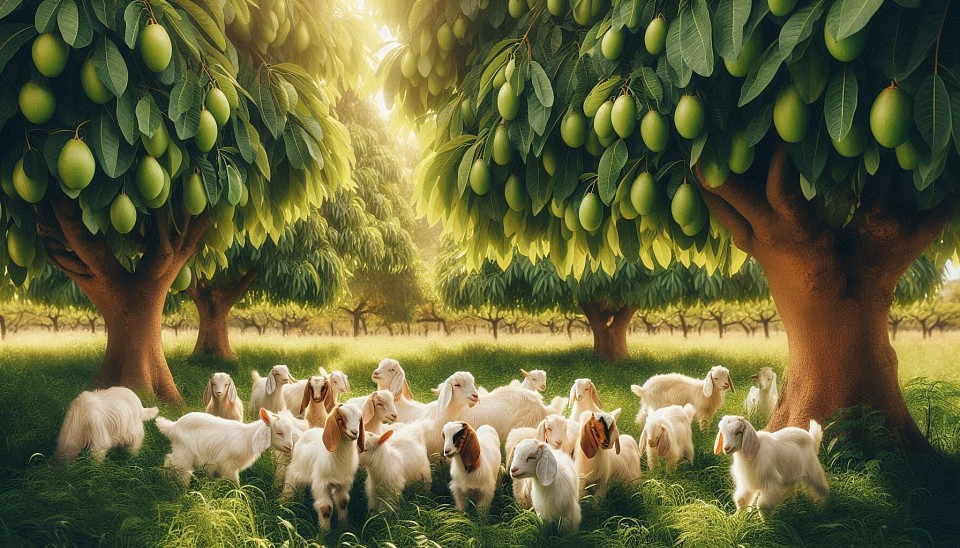
Goats rearing under avocado trees

A dog chasing away squirrels in maize crops
Integrating Agriculture into School Curricula
Integrating agriculture into the education system offers a comprehensive, multidisciplinary approach essential for preparing future generations. Agriculture has long been a cornerstone of human civilization, shaping economies, cultures, and technological progress. Today, with rapid scientific innovation and growing global food demands, embedding agricultural studies into school curricula is both relevant and necessary.
Introducing agriculture from early childhood provides students with foundational knowledge that enhances their understanding of the natural world, environmental literacy, and critical scientific and practical skills. Children’s innate curiosity about nature makes agriculture an ideal medium for early learning, fostering lifelong appreciation and stewardship of the environment.
1. Early Agricultural Education and Child Development
Children naturally exhibit curiosity, sensory awareness, and exploration-based learning. Agricultural activities such as planting seeds, observing growth, and caring for animals offer hands-on experiences that stimulate sensory development, emotional maturity, observational skills, responsibility, empathy, and critical thinking. Early exposure helps students grasp environmental cycles—day and night, seasons, water movement, and ecological interdependence—through direct interaction rather than abstract concepts.
2. Agriculture as a Catalytic Learning Medium
Agriculture is inherently interdisciplinary, merging biological, chemical, physical, mathematical, technological, and economic principles in intuitive and practical ways. Embedding agriculture early in education contextualizes academic concepts through everyday natural processes, deepening comprehension and bridging theory with real-world understanding.
3. Agricultural Education as a Foundation for Scientific Literacy
Biology: Agriculture provides a living framework to explore plant biology, including photosynthesis, nutrient uptake, transpiration, plant responses to stimuli, growth patterns, flowering, and seed production. Teaching photosynthesis through agriculture transforms an abstract concept into a tangible experiment, illustrating how light intensity, wavelength, and photoperiod affect growth. This foundation supports advanced fields like controlled-environment agriculture, hydroculture, LED-based growth systems, and precision horticulture.
Chemistry: Agricultural contexts demonstrate chemical principles such as oxidation-reduction reactions, molecular structures of glucose, soil pH, nutrient availability, decomposition, microbial activity, and fertilizer reactions. Studying soil chemistry concepts like cation exchange capacity, mineral content, nitrogen and carbon cycles, and salinity enriches students’ understanding of real-world chemical interactions.
4. Mathematics and Business Concepts Through Agriculture
Agriculture offers dynamic applications for learning mathematics and economics. Students practice ratios and proportions (fertilizer mixing, seed spacing), algebra (yield calculations), geometry (plot layout, irrigation design), statistics (growth monitoring), arithmetic (costing, yield per area), and probability (weather, pest risk). Agricultural projects, such as managing a single maize seed, teach cost estimation, resource allocation, production cycles, budgeting, profit and loss analysis, market pricing, and agribusiness value chains. This hands-on approach transforms agriculture into an engaging laboratory for quantitative reasoning and entrepreneurial skills.
5. Demonstrating Physics Through Agricultural Systems
Agriculture illustrates physical phenomena including fluid dynamics (pressure variations, flow rate, pipe friction, gravitational influence, capillary action, pump mechanics), mechanics and energy (levers, pulleys, torque, kinetic and potential energy, mechanical advantage, motion and force), and optics (absorption, reflection, spectrum analysis, photoperiodism, radiant energy transfer). These practical examples enrich conceptual understanding of physics principles.
6. Cross-Curricular Benefits of Agricultural Education
Agriculture enhances learning across multiple disciplines:
- Environmental Studies: ecosystems, biodiversity, climate patterns, conservation, sustainability
- Technology: modern machinery, sensors, robotics, GIS, remote sensing
- Social Sciences: cultural farming practices, food security, rural development, history
- Health and Nutrition: dietary diversity, nutrient cycles, farm-to-table systems, food safety
Incorporating agriculture fosters holistic, real-world education linking diverse subjects and building practical competence.
7. The Broader Imperative: Agriculture as an Educational Priority
Like mathematics and languages, agriculture is universally applicable, visible, tangible, and fosters lifelong utility, critical thinking, and resilience. Integrating it equips students with environmental awareness, scientific literacy, entrepreneurial skills, problem-solving abilities, and practical life competencies, preparing them for meaningful participation in a complex global landscape where agriculture remains central to sustainability and innovation.
Conclusion
Embedding agriculture within school curricula is a strategic investment in future societies. It provides a multidisciplinary platform that strengthens learning across sciences, mathematics, business, environmental studies, and technology. Early introduction cultivates curiosity, creativity, responsibility, and a deep appreciation for the natural world, preparing students not only for academic success but also for active roles in sustaining global food systems and environmental stewardship.

Agriculture in school education
Arid farming

Arid farming
Modern Agriculture in Arid Farming: Innovation, Resilience, and Sustainable Transformation
Arid and semi-arid regions—regardless of their geographic location—hold remarkable yet often underutilized potential for agricultural development. If native vegetation can endure harsh climatic conditions, modern agriculture, supported by research, innovation, and technology, can not only survive but thrive in these environments.
A Historical Evolution Toward Modern Arid Farming
Agriculture has continuously evolved from rudimentary tools like digging sticks to sophisticated ploughs, mechanized systems, and cutting-edge smart technologies. Today, global advancements demonstrate that agriculture can succeed even in hyper-arid landscapes once deemed unproductive.
For instance, Israel’s transformation of barren deserts into productive agricultural hubs through meticulous research, efficient water management, desert greening technologies, and resilient planning exemplifies this progress. This underscores a core principle: with scientific understanding, strategic investment, and sustainable practices, even the driest landscapes can become productive agricultural ecosystems.
Water Management in Arid Agriculture: The Foundation of Sustainability
Water is fundamental to life and agriculture. Effective water management is critical for the success of farming systems in arid environments.
- Rainwater Harvesting: Techniques include roof catchment and storage tanks, micro-catchment basins, sand and check dams, rock runoff harvesting, and floodwater diversion systems. These methods capture and store scarce rainfall for later use, reducing dependence on unpredictable precipitation.
- Efficient Irrigation Techniques: High-efficiency methods such as drip irrigation, subsurface irrigation, soaker lines, micro-sprinklers, and automated sensor-driven systems minimize water waste and optimize crop water use.
- Soil Science and Health Management: Understanding soil texture, structure, salinity, acidity, and organic matter is essential. Improvement techniques include gypsum application to correct sodicity, organic mulching to retain moisture, compost and manure for fertility, cover crops for protection and nutrient cycling, and biochar incorporation to enhance water retention.
- Microclimate Engineering: Creating favorable microclimates through windbreaks, shade nets, strategic tree placement (agroforestry), greenhouse systems, and soil surface modifications reduces heat stress and improves plant survival.
Revisiting the Water Scarcity Paradox
Despite billions of cubic meters of freshwater flowing into oceans from melting glaciers and runoff, many regions suffer severe water scarcity. Modern agriculture addresses this by actively harvesting and retaining water, recycling greywater, employing desalination and solar distillation in extreme zones, and managing watersheds and groundwater recharge. These strategies aim to replace costly “expensive water business” models with sustainable, locally driven water management, breaking cycles of floods and droughts for equitable distribution.
Unrealized Potential in Countries Like Kenya
Kenya’s vast arid and semi-arid lands (ASALs) offer significant opportunities for large-scale irrigation agriculture. Utilizing solar-powered boreholes, drip irrigation, and agroforestry, arid farming can increase food production, reduce rainfall dependence, support livestock, improve livelihoods, and strengthen food security, representing a major sustainable development avenue in East Africa.
Arid Agroforestry: A Pillar of Sustainable Land Management
Agroforestry integrates trees, shrubs, crops, and sometimes livestock into unified systems, offering transformative benefits for arid landscapes:
- Shade Creation: Reduces evapotranspiration, lowers soil temperature, and protects crops from extreme heat.
- Food Production: Provides fruits, nuts, vegetables, and fodder, enhancing dietary diversity and food security.
- Fuel Alternatives: Supplies sustainable firewood sources, reducing deforestation pressure.
- Aesthetic and Cultural Value: Enhances mental well-being, landscape beauty, and eco-tourism potential.
- Habitat and Biodiversity Support: Restores ecological balance and protects wildlife corridors.
- Construction and Industrial Raw Materials: Offers timber, poles, fibers, and medicinal compounds.
- Water Conservation: Tree roots improve infiltration, reduce runoff, stabilize soils, and retain moisture.
- Climate Change Mitigation: Acts as a natural carbon sink.
- Soil Improvement: Adds organic matter, enhances nutrient recycling, and prevents erosion.
Appropriate Tree Species for Arid Agroforestry
Suitable species thriving in hot climates include:
- Fruit trees: avocado (with irrigation), citrus (lime, lemon, orange), dates, pomegranates, dragon fruit (heat tolerant)
- Indigenous species: Acacia spp., Moringa, Neem
Technological Irrigation Management: Precision Agriculture in Arid Zones
Artificial Intelligence (AI) and Machine Learning (ML) revolutionize irrigation through smart systems integrating soil moisture, temperature, and humidity sensors; automated valves and pumps; remote IoT monitoring; and predictive watering algorithms. These ensure precise water delivery, reduce waste, lower labor, optimize hydration, and enable real-time adaptation. Many systems operate on solar power, ideal for off-grid arid regions.
Green Energy for Arid Farming: Leveraging Natural Conditions
Arid regions’ high solar irradiance, strong nighttime winds, and flat landscapes facilitate renewable energy use:
- Solar energy systems for irrigation, lighting, and cold storage
- Wind turbines for water pumping and power generation
- Hybrid renewable setups tailored to local needs
Benefits include long-term cost reduction, lower carbon emissions, reliable remote power, enhanced mechanization, and climate-resilient agriculture support.
Additional Innovations
- Greenhouses improve microclimates, increase yields, and reduce evaporation.
- Solar drying enhances post-harvest quality and shelf life, exemplified by pineapple sweetness and preservation.
Thus, arid landscapes become renewable energy hubs, aligning agricultural development with global sustainability goals.
Conclusion: Reimagining Agriculture in Arid Regions
Modern arid agriculture is a technically viable, economically sound, and environmentally essential pathway for global food security. Integrating water harvesting, sustainable soil management, agroforestry, smart irrigation, renewable energy, and climate-adaptive technologies transforms arid regions into vibrant, productive agricultural systems. This represents the future of sustainable farming—resilient, technologically empowered, and harmonized with natural processes.
The Surprising World of Weeds!
Check out this amazing fact! Weeds are not always unwanted - some can actually be pretty cool. Take "Touch Me Not," for example. This weed can be used in landscaping for ornamental purposes. When you touch it, it shrinks and changes colour, creating a mesmerizing visual effect. It's not just eye candy either - this plant can also give you a sense of well-being, according to the Psychology of Landscaping. How cool is that?


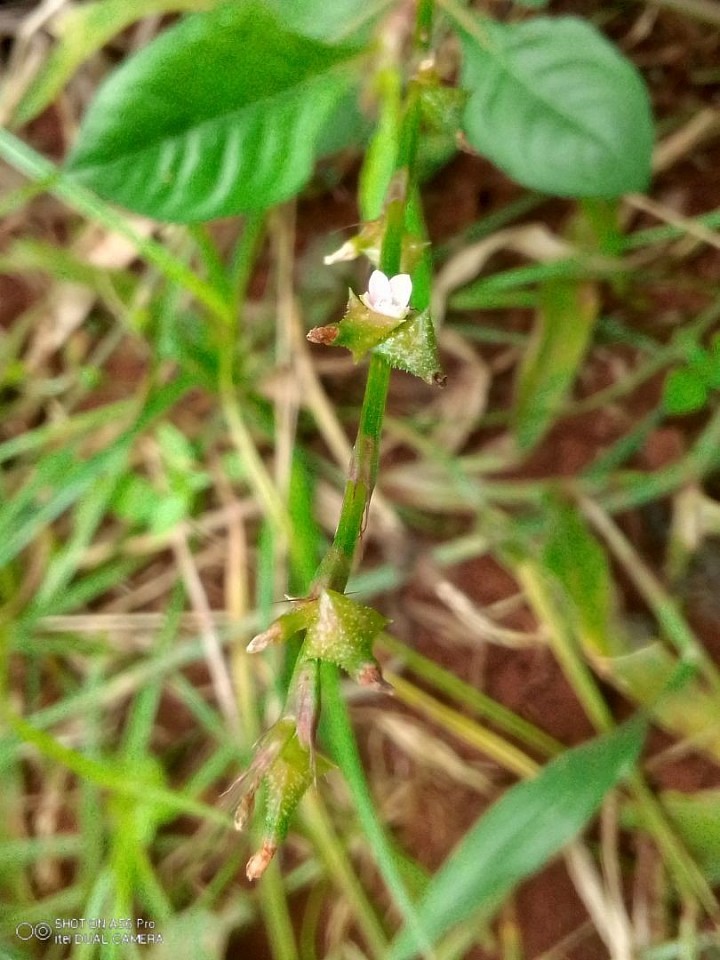
Double thorn
EnvirosAgro.Weeds in Agriculture
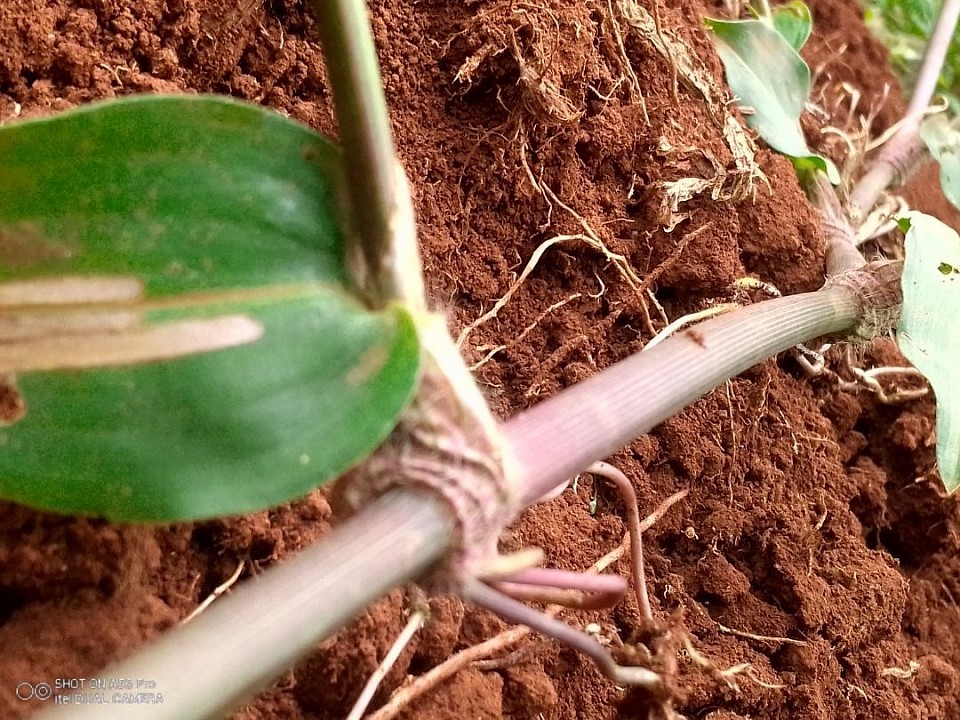
Wandering jew
Comprehensive Introduction to Weeds in Modern Agriculture
Weeds form an integral—though often misunderstood—component of agricultural ecosystems. While traditionally regarded as unwanted plants that undermine crop productivity, weeds also provide ecological functions that support biodiversity, soil regeneration, habitat formation, and nutrient cycling. A sophisticated understanding of weeds not only enhances farm management but also empowers farmers to convert potential challenges into sustainable opportunities.
Effective weed management today requires a systems-thinking approach that recognizes the dual role of weeds: both as competitors to crops and as biological resources that can be used to enhance soil, livestock health, and overall agroecosystem resilience.
1. Negative Impacts of Weeds on Agricultural Productivity
Despite their ecological value, weeds can significantly disrupt farming operations and reduce crop output when left unmanaged. Key negative impacts include:
1.1 Competition for Resources
Weeds compete aggressively with crops for:
- Sunlight – shading crops and reducing photosynthetic efficiency
- Moisture – especially critical in rainfed and arid farming systems
- Nutrients – roots of fast-growing weeds often outcompete crops
- Space – leading to reduced plant density and stunted growth
1.2 Harboring Pests and Diseases
Many weeds serve as alternate hosts for:
- Fungal pathogens
- Bacterial infections
- Nematodes
- Insect pests (aphids, leaf miners, beetles)
This increases crop vulnerability and raises production costs.
1.3 Increased Farm Labor and Costs
Weed infestation results in:
- Higher labor intensity in manual weeding
- Increased herbicide costs
- Late planting due to land preparation delays
1.4 Interference with Farm Machinery
Some robust or sprawling weed species obstruct:
- Ploughs
- Harvesters
- Planters
- Irrigation lines
leading to machinery damage and reduced operational efficiency.
2. Classification of Weeds in Modern Agronomy
Weeds are categorized based on lifecycle, morphology, habitat, and ecology. This classification informs targeted and cost-effective management strategies.
2.1 Lifecycle Classification
- Annual Weeds: Complete lifecycle within one season (e.g., Galinsoga spp.)
- Biennial Weeds: Require two seasons; vegetative growth first year, flowering second
- Perennial Weeds: Live multiple years; reproduce via seeds and underground structures (e.g., couch grass)
2.2 Morphological Classification
- Broadleaf Weeds (Dicots): Wide leaves, prominent veins
- Grasses (Monocots): Narrow leaves, hollow stems
- Sedges: Triangular stems, thrive in moist or waterlogged soils
2.3 Habitat Classification
- Terrestrial Weeds (dry land, cropland, garden beds)
- Aquatic Weeds (irrigation canals, ponds, rice paddies)
Understanding habitats allows strategic intervention at the right growth stage.
3. Integrated Weed Management (IWM): Control and Preventive Measures
Modern agriculture emphasizes prevention, integration, and sustainability. No single method is effective for all weeds; hence IWM combines multiple strategies.
3.1 Cultural Control
- Crop rotation
- Cover cropping (smothers weeds and improves soil)
- Proper seedbed preparation
- Use of certified clean seeds
3.2 Mechanical Control
- Hand weeding
- Hoeing and slashing
- Mechanical cultivation
- Mulching
3.3 Chemical Control
- Selective and non-selective herbicides
- Pre- and post-emergence herbicides
- Spot spraying to minimize chemical use
Farmers must observe herbicide resistance management guidelines.
3.4 Biological Control
- Use of natural predators or pathogens
- Grazing with goats or sheep
- Allelopathic crops (e.g., sorghum) suppressing weeds
This approach reduces chemical dependence and fosters ecological balance.
4. Weeding as a Core Farm Management Practice
Weeding remains one of the most essential field activities. Professional weeding ensures:
- Optimal plant spacing
- Healthy root development
- Reduced pest and disease pressure
- Maximized yields
Effective timing—especially during the first 30–45 days after planting—is crucial for preventing yield loss.
5. Sustainable Uses and Benefits of Weeds
Although widely disliked, weeds can serve as valuable agricultural resources when managed thoughtfully.
5.1 Nutritional Value
Many weeds are edible and rich in:
- Proteins
- Vitamins A, C, and K
- Iron, calcium, and antioxidants
Examples: Pigweed (Amaranthus spp.), black nightshade.
5.2 Medicinal Properties
Weeds such as Bidens pilosa are used traditionally for:
- Wound healing
- Anti-inflammatory treatments
- Antimicrobial purposes
- Poultry disease management
5.3 Organic Pest Control
Weeds like Mexican marigold (Tagetes minuta) release strong aromatic compounds that:
- Repel nematodes
- Deter harmful insects
- Suppress parasitic weeds
5.4 Soil Enrichment and Composting
Weeds, when composted properly, contribute:
- Nitrogen
- Potassium
- Trace minerals
- Organic matter
They can also be used as green manure when plowed into the soil.
5.5 Livestock Feed
Several weeds provide nutritious fodder:
- High biomass production
- Rich protein content
- Suitable for goats, sheep, rabbits, and cattle
5.6 Organic Fertilizers
Leguminous weeds fix nitrogen and can be processed into:
- Liquid fertilizers
- Fermented plant extracts
- Foliar sprays
5.7 Soil and Water Conservation
Deep-rooted weeds:
- Stabilize soil
- Reduce erosion
- Improve soil structure
- Increase water infiltration
5.8 Mulching Material
Seed-free weeds form excellent mulch that:
- Retains moisture
- Reduces soil temperature
- Suppresses new weed growth
- Enhances soil carbon
5.9 Renewable Energy Source
Weeds can be utilized for:
- Biogas production
- Biomass briquettes
- Charcoal alternatives
5.10 Paper and Craft Production
Dried weeds can be processed to produce:
- Paper
- Packaging materials
- Handcrafts
5.11 Climate Mitigation
Acting as carbon sinks, weeds absorb CO₂ and add biomass that contributes to soil organic carbon.
6. Leaves for Mulching and Composting: Scientific Considerations
Correct leaf selection influences mulch efficiency and compost quality.
6.1 Nitrogen-Rich Leaves
Ideal for compost:
- Clover
- Alfalfa
- Bean and pea residues
These accelerate decomposition.
6.2 Eucalyptus Leaves
Though containing allelopathic compounds, eucalyptus leaves:
- Suppress weeds
- Repel pests
- Serve as long-lasting mulch
- Provide slow-release nutrients
Proper composting reduces allelopathic effects.
7. Transforming Weeds into High-Quality Compost
Steps for sustainable weed composting:
- Slash or uproot weeds before seed formation
- Chop to accelerate breakdown
- Layer with carbon-rich material (dry leaves, straw)
- Add animal manure to balance nitrogen
- Maintain moisture and aeration
This results in nutrient-dense compost suitable for both food and cash crops.
8. Spotlight on Key Weeds
8.1 Pigweed (Amaranthus retroflexus)
A highly nutritious and versatile plant:
- Leaves provide proteins and essential amino acids
- Seeds are rich in lysine and used for porridge in Uganda
- Exhibits medicinal properties including anti-inflammatory effects
- Can be cultivated as a vegetable crop
Despite being labeled a weed, pigweed holds enormous agricultural value.
8.2 Wandering Jew (Tradescantia fluminensis)
Notorious for:
- Rapid vegetative spread
- Thick mats that choke crops
- High regeneration capacity
Sustainable Management
- Manual removal
- Drying and using as fodder
- Mulching with sun-dried residues
- Controlled spot herbicide treatment where necessary
8.3 Mexican Marigold (Tagetes minuta)
Challenges:
- Rapid spread
- Strong smell affecting livestock products
- Interference with machinery
- Yield reduction in adjacent crops
Potential Benefits
- Nematode suppression
- Soil health improvement
- Pollinator attraction
- Organic pest control
With proper regulation, this weed becomes an asset in agroecological systems.
Conclusion
Modern agriculture no longer views weeds solely as harmful invaders but recognizes them as important ecological players. By understanding weed biology, integrating multiple management strategies, and harnessing their ecological benefits, farmers can improve soil health, reduce production costs, and enhance sustainability.
A professional, science-based approach to weed management transforms challenges into opportunities—supporting long-term agricultural productivity and environmental resilience.
EnvirosAgro:Have a taste on coffee
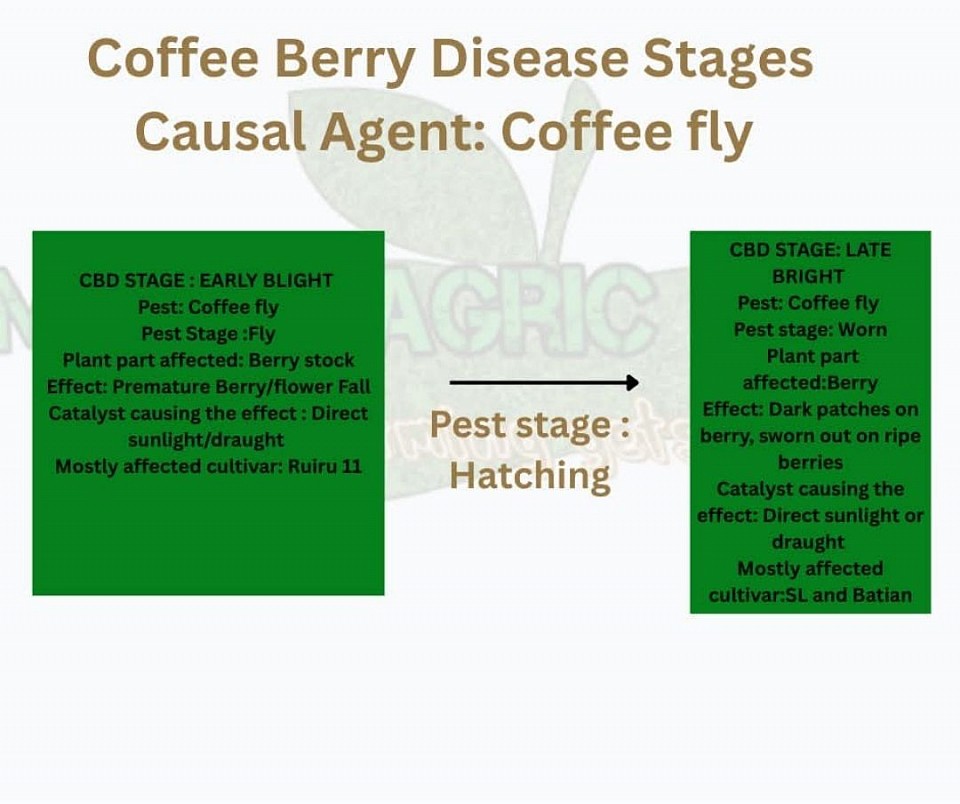
Coffee Berry disease stages
Comprehensive Analysis of Coffee Berry Disease (CBD)
Coffee Berry Disease (CBD), caused by the fungus Colletotrichum kahawae, is a major threat to Arabica coffee production, first identified in Western Kenya in 1922. Since then, it has spread throughout East and Central Africa, causing yield losses of 50–80% during severe outbreaks, particularly under cold and wet conditions. This analysis adopts a dual-injury model—micro and macro injuries—to elucidate disease susceptibility, catalysis, and epidemiology within a systemic framework.
Understanding CBD as an Injury-Triggered Disease
CBD infection requires two key factors: the presence of the pathogen spores and an entry point on the coffee berry, typically an injury. Injuries are categorized as micro (external, environment-induced) and macro (internal, plant-dependent), which together increase vulnerability to infection.
Causes of CBD
Micro Injuries (External Stressors)
- Direct Sunlight (Photodamage): Intense sunlight causes micro-cracks on the berry epidermis, tissue desiccation, and heat stress that weakens cell walls, facilitating spore adhesion and penetration.
- Drought (Hydro-Stress Injury): Prolonged drought reduces turgor pressure, causes shrinkage and cracking of the berry skin, and compromises the cuticle, while also weakening the plant’s immune defenses.
- Biological Injuries: Damage from pests such as Coffee Berry Borer and Coffee Berry Fly, mechanical injuries from harvesting or pruning, and animal scratches create direct openings for spore entry.
Macro Injuries (Internal Plant Factors)
- Physiological Weaknesses: Poor nutrient distribution, reduced canopy vitality, inefficient water transport (xylem stress), and berry congestion cause micro-lesions or reduce tissue resilience.
- Health Deficiencies: Nutritional deficiencies (calcium, magnesium, nitrogen, boron), poor disease resistance genes, excessive shade causing tender tissues, and co-infections weaken the plant’s defenses, increasing susceptibility.
Progression of CBD Infection
- Injury Creation: Micro or macro injuries form entry points on berries.
- Catalytic Exacerbation: Environmental factors such as cold temperatures, high humidity, drought combined with heat, and wind amplify injury severity, promoting fungal colonization.
- Spore Germination and Penetration: Spores attach to injured sites, germinate, and develop appressoria to penetrate tissues.
- Disease Development: Infected berries develop sunken dark lesions, harden and blacken (mummify), and often drop prematurely. Infection can spread to adjacent berries through contact.
CBD as the “Common Cold” of Coffee Plants
CBD shares similarities with human respiratory infections:
- Seasonal Prevalence: Outbreaks peak during cold, wet seasons, paralleling flu-like illnesses.
- Environmental Spread: Spores are airborne, dispersed by wind, rain splash, water, and contaminated tools.
- High Infectivity Under Stress: Plants under drought, nutrient deficiency, or pest pressure exhibit increased vulnerability.
Epidemiology and Spread Mechanisms
- Wind-Borne Spores: Drought and wind facilitate long-distance spore dispersal.
- Rain Splash Transmission: Wet conditions enable spore spread between berries.
- Insect-Facilitated Spread: Pests create entry points and may carry spores.
- Cultural Practices: Poor hygiene, contaminated harvesting equipment, and improper pruning increase transmission.
- Physiological Vulnerability: Cold seasons reduce berry resistance, akin to disease outbreaks in other species.
Summary of the Injury-Integration Model
| Step | Description |
|---|---|
| 1 | Injury occurs (micro or macro factors) |
| 2 | Injury is catalyzed by environmental factors (sunlight, drought, cold, pests) |
| 3 | Spores land on injury (from infected berries or wind) |
| 4 | Penetration begins (fungal appressoria formation) |
| 5 | Infection spreads (lesions form, berries blacken, disease multiplies) |
Research and Observations on Coffee Pests
A flying insect pest affecting coffee plants has been observed with symptoms including premature berry drop, dark patches on berry stalks, powdery residue likely from insect waste, and weak berry attachment. The Scottish Laboratory (SL) coffee lineage is more severely affected, while Ruiru 11 shows relative resilience, though most cultivars remain vulnerable. This pest disrupts nutrient and water uptake, causing significant losses and is often confused with CBD.
Control Measures
- Use neem-based insecticides for organic pest control.
- Conduct regular crop monitoring to detect infestations early.
- Implement companion planting to reduce pest impact naturally.
Coffee Grafting Techniques
Grafting combines traits from different cultivars to improve plant establishment and resilience. For example, Scottish Laboratory 28 and 34 cultivars, despite susceptibility to diseases, have strong nutrient uptake and deep roots supporting multi-stem pruning. Ruiru 11 and Batian cultivars offer disease resistance but have shallow roots and limited pruning capacity. Grafting Scottish Laboratory rootstocks with Ruiru 11 or Batian scions merges deep rooting and nutrient absorption with robust disease resistance, enhancing plant health and yields.
Nutrient Deficiencies in Coffee Plants
Potassium deficiency manifests as dry, brown to dark lesions along leaf edges, impairing photosynthesis, enzyme activation, and water regulation, leading to stunted growth and reduced yields. Recognizing such symptoms is critical for timely intervention.
Sustainable Pest Prevention and Control
Effective pest management emphasizes prevention over control, reducing pesticide reliance and fostering ecological balance. Strategies include:
- Regular farm inspections for early pest detection.
- Maintaining hygiene by cleaning tools and removing debris.
- Managing microenvironments to avoid damp, shaded areas that harbor pests.
- Regular pruning to improve air and light penetration.
- Community education to share pest prevention knowledge.
- Removing alternate hosts by pruning live fences.
- Using healthy, disease-free seedlings.
- Ensuring proper nutrition to enhance plant resistance.
- Weed control to eliminate pest shelters.
- Biological control by introducing natural predators like chameleons.
- Using repellents and scare devices.
- Selecting pest-resistant cultivars.
- Employing overhead irrigation to deter pests preferring dry conditions.
Combining approximately 80% prevention with up to 20% organic pesticide use optimizes cost-effectiveness and sustainability.
Research on Mulch Impact in Coffee Production
Mulch incorporation after five months suppresses weeds, breaks weed cycles, improves soil structure, adds nutrients, regulates temperature and moisture, protects roots, and reduces erosion. As mulch decomposes, it acts as manure, enhancing nutrient absorption and reducing fertilizer needs.
Coffee Value Addition: Coffee Syrup from By-Products
Source and Extraction: Ripe red coffee berries are pulped to extract coffee sap, which is filtered and concentrated into syrup rich in carbohydrates (sucrose, glucose, fructose) and minor compounds contributing to aroma and flavor.
Product Variants:
- Coffee Syrup: Concentrated liquid sweetener with distinctive coffee flavor.
- Coffee Sugar: Crystallized form usable like cane sugar with a unique twist.
- Flavored Syrups: Infused with natural flavors such as vanilla, cinnamon, or chocolate for gourmet use.
Culinary Applications:
- Baking: Enhances biscuits, cakes, muffins, and cookies.
- Breakfast Foods: Drizzled over pancakes, waffles, and porridge.
- Beverages: Sweetener for coffee, tea, cocktails, mocktails, and base for specialty drinks.
- Cooking: Adds depth to marinades, glazes, and sauces.
Economic and Sustainability Benefits:
- Transforms coffee waste into valuable products, reducing environmental impact.
- Provides new revenue streams, enhancing economic resilience.
- Promotes waste reduction by utilizing often discarded berry parts.
- Meets growing demand for natural sweeteners and gourmet flavors.
Opportunities for Innovation:
- Development of low-calorie or antioxidant-enriched syrups for health-conscious consumers.
- Artisanal branding to attract niche markets.
- Export potential targeting specialty food markets globally.
Coffee syrup bridges sustainability and culinary creativity, enabling coffee-growing communities to capture greater value from their harvests.
Environmental health

Plastic in the farm
Sustainable Plastic Waste Management in Modern Agriculture: Strategies, Challenges, and Benefits
Plastic waste presents a significant environmental and operational challenge within the agricultural sector. As farms increasingly rely on packaged inputs and modern technologies, plastics accumulate at various stages—from seedling preparation to crop protection, harvesting, and post-harvest handling. Effective reduction, management, and responsible disposal of plastic waste are essential for promoting sustainable agricultural systems, protecting the environment, and enhancing long-term farm productivity.
1. Sources and Pathways of Plastic Waste in Agriculture
Plastic waste enters agricultural landscapes through multiple channels, often accumulating unnoticed until it becomes a major concern. Common sources include:
- Input Packaging: pesticide containers (insecticides, herbicides, fungicides), fertilizer sacks, seed bags, feed bags, and supplement containers. These materials are lightweight, durable, and resistant to degradation, making disposal challenging.
- Farm Operations: mulching films, irrigation pipes and drip lines, greenhouse covers, crop tunnels, twines, nets, and storage materials. Improper handling leads to fragmentation and accumulation in soil and drainage systems.
- External Factors: plastics blown onto farms by wind, improperly discarded waste from neighboring farms or communities, and floodwaters carrying plastics downstream. These pathways highlight the pervasive and mobile nature of plastic waste in rural environments.
2. Key Challenges: Knowledge, Capacity, and Accessibility
A critical question is how many farmers possess the knowledge, tools, and resources to manage plastic waste responsibly. In many regions, especially developing economies, challenges include:
- Limited Awareness: farmers may lack understanding of environmental impacts of mismanaged plastics, proper segregation and storage techniques, and recycling opportunities.
- Lack of Infrastructure: absence of local recycling centers, high transport costs for waste collection, and limited availability of biodegradable alternatives.
- Safety Risks: exposure to chemical residues in containers presents health hazards if not cleaned and handled properly.
- Cultural and Behavioral Barriers: burning plastics is often used as a default disposal method, with minimal incentives for proper waste management.
3. Practical Strategies for Sustainable Plastic Waste Management
Farmers can adopt a coordinated, systematic approach to managing plastic waste. Key steps include:
- Waste Collection and Segregation: gather all plastic waste from fields, storage areas, and homesteads; segregate plastics by type (hard plastics, soft plastics, chemical containers); rinse chemical containers using the triple-rinse method to remove residues; allow cleaned plastics to dry before storage.
- Safe On-Farm Storage: designate a secure, weatherproof storage area away from livestock and water sources; use labeled drums or sheds to prevent mixing with organic waste or hazardous materials; ensure containers with chemical residue are sealed and kept safely.
- Recycling Pathways: many plastic items display recycling symbols (e.g., HDPE, PET, LDPE) identifying materials that can be processed. Farmers can partner with licensed recycling firms, deliver sorted plastics to collection centers, participate in cooperative-based recycling initiatives, and collaborate with local government waste programs.
- Reuse and Upcycling Initiatives: creative and practical reuse reduces waste and adds value on the farm, such as repurposing fertilizer sacks as germination bags or potting sacks, using containers as nursery pots, refashioning plastic drums into water storage tanks, and repurposing netting for crop protection or shading. Household and commercial uses include decorative crafts, fencing materials, and storage solutions for tools and seeds.
- Adoption of Biodegradable Alternatives: farmers can gradually transition toward biodegradable mulch films, paper seedling trays, organic packaging for inputs, and compostable nursery bags. Though initial costs may be higher, long-term benefits justify the investment.
- Refurbishment and Reprocessing: some plastics can be reconditioned for original use, melted and remolded into new farm accessories, or sold to manufacturers for reprocessing, reducing demand for virgin plastics.
4. Benefits of Responsible Plastic Waste Management
Implementing sustainable plastic waste management offers wide-ranging advantages across environmental, economic, and operational dimensions:
- Environmental Benefits: reduction of soil and water contamination; improved soil health by preventing plastic fragment disruption of root growth and aeration; prevention of microplastic accumulation in crops; decreased pollution in rivers, wetlands, and drainage systems; enhanced biodiversity and ecosystem stability.
- Economic Advantages: income generation through recycling programs; lower costs for new containers or seedling bags; reduced machinery maintenance costs due to less blockage and damage; opportunities in plastic-based business ventures such as crafts and fencing materials.
- Enhanced Farm Productivity: healthier soil promotes stronger crop growth; fewer blockages in irrigation systems improve water efficiency; reduced risk of injuries or accidents from sharp or scattered plastics.
- Climate Action Contributions: reduced open burning lowers greenhouse gas emissions; encourages circular economy practices; supports national and global climate resilience strategies.
- Ecosystem Protection: limiting chemical residue leakage protects microorganisms; keeps grazing areas safer for livestock; maintains cleaner landscapes for pollinators and beneficial insects.
5. A Collaborative Approach to Sustainable Agricultural Waste Reduction
Addressing plastic waste requires coordinated participation from farmers, cooperatives, input suppliers, recycling companies, local government authorities, agricultural extension officers, and environmental agencies. Education, policy support, and community-based waste programs can ensure plastic waste is managed efficiently and sustainably.
By engaging in collective responsibility and adopting these practices, the agricultural sector can foster a cleaner, healthier, and more productive environment—ensuring long-term sustainability for current and future generations.